Sump Pump Failure Cleanup in Blaine, MN
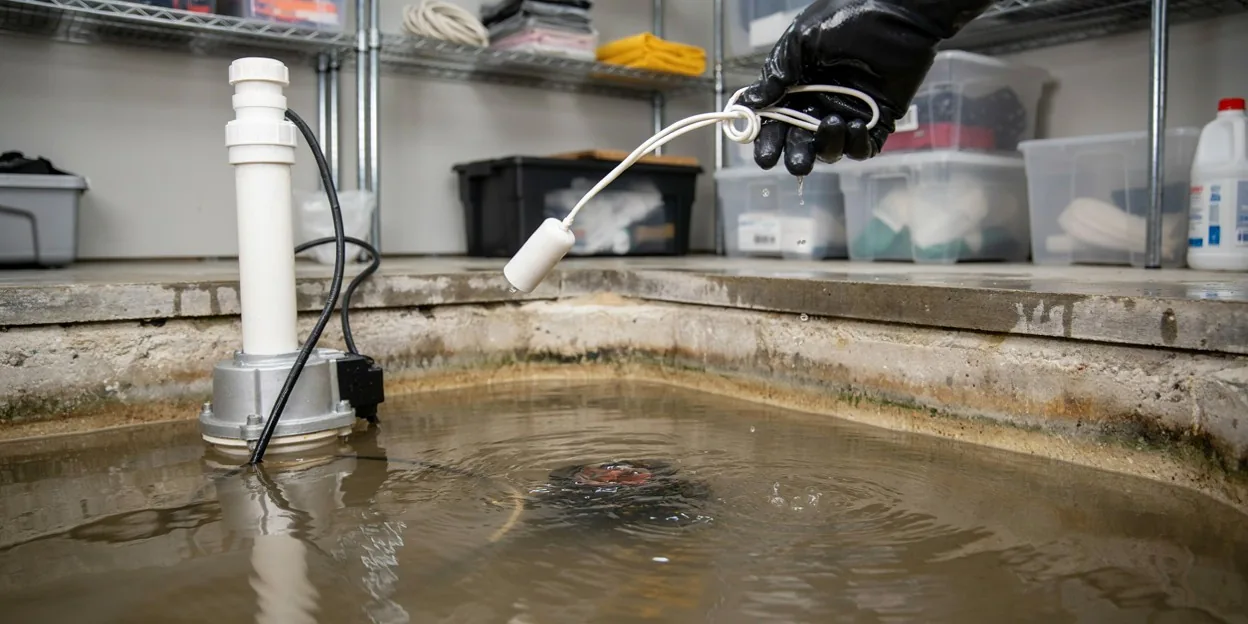
You heard the pump cycle every ninety seconds all weekend while the snow went out. Monday morning it was quiet, and the quiet was the problem. The pit had overflowed sometime in the night, and the water had crossed the utility room, gone under the door, and soaked the carpet in the finished half of the basement. This site puts you through by phone to an independent local provider who cleans up after sump pump failures in Blaine and across Anoka County.
Getting the pit under control before the fans go on
The crew's first move is the pit, not the carpet. A basement with a dead pump is still filling, so they drop a portable pump into the pit or pull the water out of the room with extraction gear while someone figures out why the pump quit. The usual answers are a tripped breaker, a float stuck against the side of the pit, a check valve that failed and let the discharge run back, or a discharge line that froze solid where it exits the wall. Once the pit is draining, they pump the standing water off the slab and start metering walls.
On the Anoka Sand Plain a footing drain moves a lot of water in spring. A pump that runs every minute or two in March is doing its job, and six hours without it can put an inch across the whole floor.
What to do while the pit is still full
Turn off the basement breaker if you can reach the panel dry. If the pump has power and is humming but not moving water, unplug it; a burned-out motor can trip the circuit. Do not reach into a full pit with the pump plugged in. Move belongings up off the floor, photograph the pit, the water line, and every room the water reached, and leave the carpet down. If you own a backup pump or a battery unit that never got installed, tell the person who answers. Then call.
What the overflow ruins and what dries
Carpet pad comes out. Carpet itself often dries once the pad is gone and the water was clean groundwater. Drywall that reads wet in the bottom foot gets cut and the insulation behind it leaves. Particleboard shelving and cardboard on the floor are gone. The slab dries once the water is off it and air is moving. Studs and sill plates dry in place if the crew reaches them within a few days. Then structural drying runs equipment against daily readings until the basement is back to dry numbers.
If the water also came through the walls or up through a crack while the pump was down, the job widens into a basement flooding cleanup. If the pit is tied to the floor drain and the water smells, say so, because that changes the gear the crew brings.
Why Blaine pumps fail in March and again in July
Blaine's sand drains fast from the top and holds water a few feet down, so the pit in a rambler south of 99th Avenue or a two-story in The Lakes runs hard from the first warm week of spring until the ground drains in May. A discharge line that runs across a lawn to daylight freezes on a cold April night and the pump cycles against a plug of ice until the pit overflows or the motor quits. Summer failures are power failures. A thunderstorm that stalls over the city's ponds knocks out the power and fills the footing drain in the same hour, and the June 2014 storms did exactly that across the north metro.
The pumps themselves age out. A pump installed when the basement was finished in 1995 has run thirty springs. Ask the crew what they found when they pulled it.
Water that comes up through a sump pit is usually treated as groundwater or backup by homeowner policies, and many exclude it unless you carry a sump or water backup endorsement. This site cannot say what yours does. Have the crew record the cause of the failure, the readings, and the photos so the timeline reaches your adjuster on paper.
Call about the pump that quit
Say whether the pump is silent, humming, or running without moving water, and whether the power is on. Mention how far the water traveled and whether the basement is finished. Call (763) 297-2728.